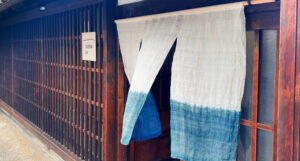
Kasadera Kannon — A Thousand-Year Story That Started with a Hat
 toshizou_guide
Today, I want to tell you about a temple here in Nagoya. It's called Kasadera Kannon.
Its official name is Ryūfuku-ji. But almost everyone just calls it Kasadera Kannon.
In fact, even locals might not recognize the name Ryūfuku-ji. So if you ever get lost looking for it, don't ask for "Ryūfuku-ji" — ask for "Kasadera Kannon." That's the name everyone knows.
It's old. About 1,300 years old, in fact.
And over the years, they say, some famous people have visited this place. Tokugawa Ieyasu — the man who first united Japan. Miyamoto Musashi, the legendary swordsman. Their stories are tied to this temple too.
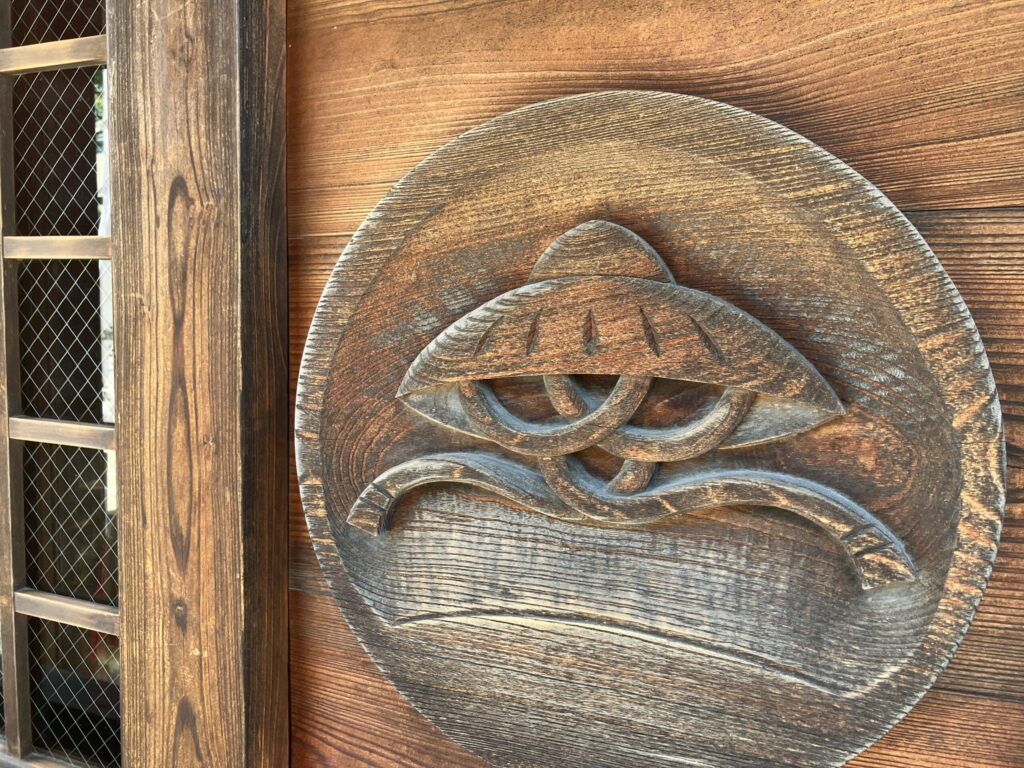
There's also something interesting about the name. The temple is written 笠覆寺 — and that first character, 笠 (kasa), means a woven hat. Long ago, people wore these hats in the rain. There's a beautiful old story behind that one character.
Let me tell you that story.
The Basics
First, a few quick details.
- Official name: Tenrinzan Ryūfuku-ji (everyone just says Kasadera Kannon)
- Address: 83 Kamishin-machi, Kasadera-chō, Minami-ku, Nagoya, Aichi
- Nearest station: About 5 minutes on foot from Motokasadera Station (Meitetsu Nagoya Main Line)
- Admission: Free
- Hours: 8:00–16:00, open all year
Just five minutes from the station. Easy to drop by.
How the Temple Got Its Name
So, how did the temple get its name? It all comes from one old story.
A long time ago, there was a statue of Kannon left outside. Nobody took care of it. It was cracked and weathered, sitting out in the rain.
Nearby lived a young woman. She worked as a servant, and she was treated badly.
One rainy day, she saw the statue. Soaked through, looking so sad and lonely. She couldn't just walk past it. So she took off the hat she was wearing, and gently placed it on the statue.
Right then, a nobleman from the capital happened to walk by.
He saw what she did. He was so moved by her kindness that he asked her to marry him, and took her back to the capital. People came to call her Princess Tamateru.
Later, the two of them came back. To give thanks, they built a beautiful temple and placed that same statue inside.
And they gave the temple a new name: Ryūfuku-ji, which means "the temple covered by a hat." That's why the area is called Kasadera — "the hat temple" — to this day.
One small act of kindness changed a young woman's life. And in the end, it even named a temple.
It's a very beautiful story.
That's also why people still come here to pray for love and good relationships. It all goes back to this one couple.
Where a Young Tokugawa Ieyasu Once Stood
There's another story here — one for the history fans.
It's about Tokugawa Ieyasu. He was a samurai — the first one to unite all of Japan.
When he was just six years old, he was sent away as a hostage. It was a hard, lonely start to his life.
A lot happened after that. But in 1549, there was a hostage exchange that finally set him free — and it happened right here at Kasadera.
To be honest, there are different versions of the story. But there's a stone monument in the grounds marking "the site of the hostage exchange," and locals have passed this story down for a very long time.
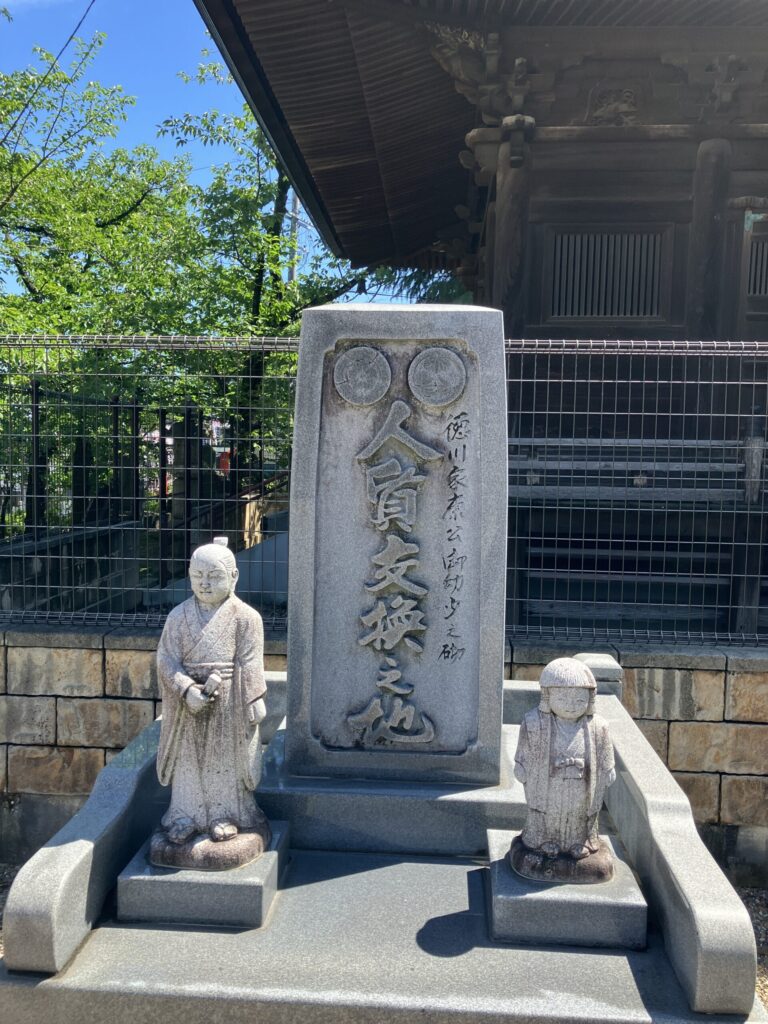
Perhaps Ieyasu once stood right where you're standing. It's a special feeling.
What to See
The grounds are full of old, historic buildings.
Main Hall: Built in 1763. A huge wooden hall. The hat-covered Kannon sits inside.
Niō Gate: Built in 1820. Two fierce guardian statues stand on each side.
Two-Storied Pagoda: Said to be the oldest building still standing here. A beautiful red tower.
Bell Tower: The tower is from the Edo period. But the bell inside is much older — made back in 1251.
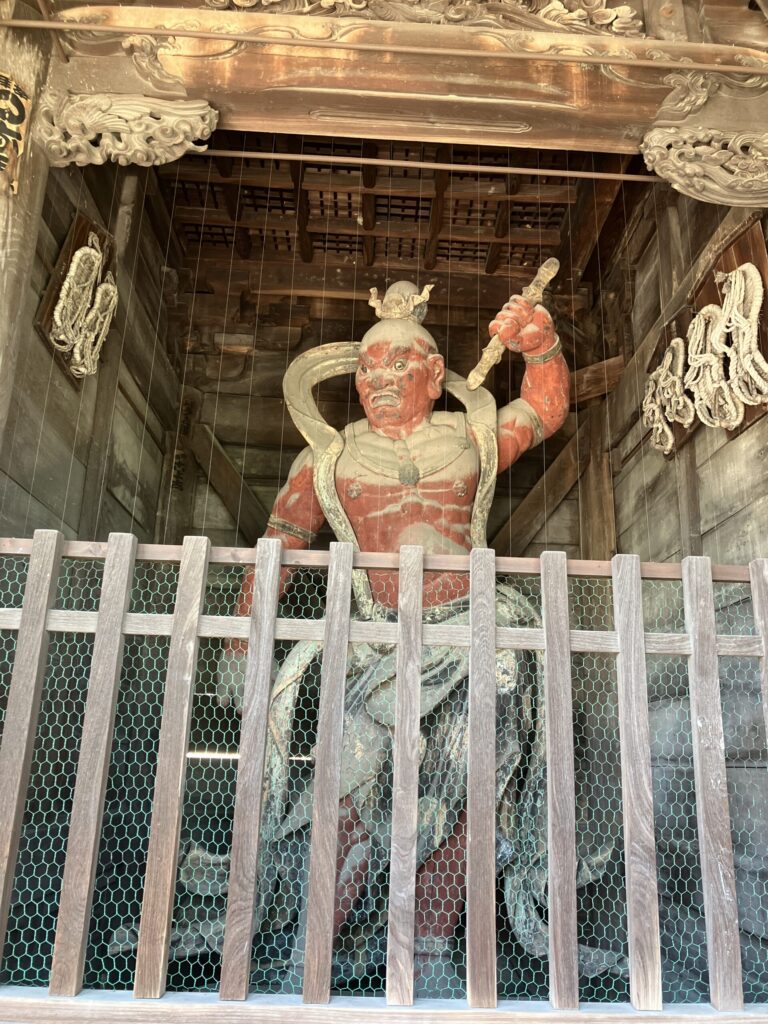
These four buildings are all designated cultural properties of the City of Nagoya.
And one more thing you shouldn't miss: the Kannon statue itself. It's almost never shown to the public — only once every eight years. So it's a rare thing to see.
Before You Go
One last thing. Kasadera Kannon is actually one of the "Four Kannon of Owari" — four temples said to protect Nagoya Castle from all four directions. It's also tied to an old Japanese idea about lucky directions. (But that's a story for another day.)
There are also three or so old temples nearby. One of them, Tōkō-in, is said to be a place where the swordsman Miyamoto Musashi once stayed — and it's said to keep a few things connected to him. If you have time, it's worth a look.
It all started with a single hat. And a thousand years later, the story is still here — in a quiet corner of Nagoya.
If you ever come to Nagoya, give it a visit. I think it's worth it.
\ Get the latest news /